History of Luquillo Beach (Local Culture & Background Guide)

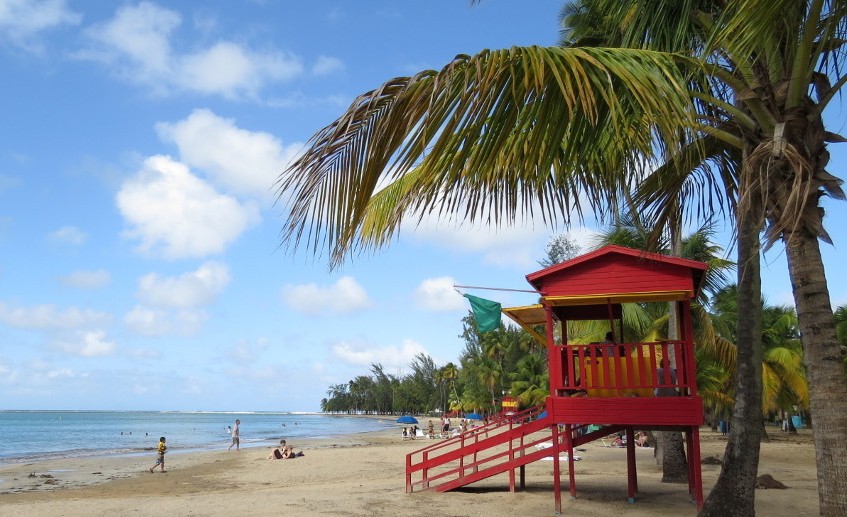
At the point where rainforest meets sea, Luquillo Beach—formally the Balneario La Monserrate—unfolds as a broad, golden crescent backed by palms and mountain silhouettes. Known today for its calm water, family facilities, and Blue Flag recognition, Luquillo’s shoreline has long served as a threshold between inland farming communities, the cloud-wrapped peaks of El Yunque, and the Caribbean trade lanes just offshore. The beach’s story is one of nature’s shelter, transportation corridors, small-town rhythms, and a mid-century turn toward organized recreation that set the stage for modern stewardship.
From Forest Slopes to Coastal Plain
Before roads and lifeguard towers, the area that became Luquillo’s balneario was a coastal edge shaped by dunes, sea grapes, and swales that gathered rainwater flowing down from El Yunque. Indigenous communities knew this interface well, moving along rivers and coasts to fish, trade, and gather salt. Over time, smallholdings appeared on the piedmont—plantains, root crops, and fruit trees—while the shore remained a place to launch skiffs and watch the weather. The elegant arc of sand exists thanks to offshore sandbars and reef fingers that slow Atlantic swells, creating the gentler waters families love today.
A Town Grows Beside a Natural Haven
The municipality of Luquillo developed as a modest settlement between the sea and the forest, its plaza life paced by fishing trips, church bells, and market days. Long before visitor parking lots, locals treated the beach as an everyday commons: a place to mend nets, wash boats, and hold Sunday gatherings beneath palms. The town’s identity—quiet, neighborly, outdoorsy—formed in dialogue with the sand and surf.
Roads, Recreation, and the Balneario Era
In the early to mid-20th century, improved highways along Puerto Rico’s northeast coast transformed access. The route that became PR-3 brought weekenders from San Juan and workers from inland towns to the shore in a single morning. As automobile culture spread, the island embraced a network of balnearios—public beach parks with lifeguards, showers, picnic shelters, and parking. La Monserrate emerged as one of the jewels of this system.
The Rise of the Luquillo Kiosks
Food quickly became part of the beach’s identity. Informal stands evolved into the now-famous Luquillo Kiosks, a linear village of eateries serving everything from alcapurrias and bacalaítos to grilled snapper and tropical frappés. Families could swim, rinse off, then stroll to a kiosk for heaping plates of rice and beans, garlicky mofongo, or fresh seafood.
Surf and Sanctuary: La Pared and Beyond
While La Monserrate is celebrated for calm water, nearby La Pared—a short stretch east of the balneario—earned a reputation as a friendly surf break, drawing beginners and longboarders who appreciate its manageable peaks. This dual identity—family cove beside mellow surf—made Luquillo a rare place where different ocean users coexist in easy proximity.
Blue Flag Standards and Ongoing Stewardship
As environmental practices matured island-wide, La Monserrate sought and earned Blue Flag status for water quality, safety, and environmental education. The designation formalized routines—testing, lifeguard staffing, accessible walkways, and dune protection—that locals had long valued.
The Rainforest Connection
Luquillo’s history is inseparable from El Yunque National Forest. The rainforest’s ridgelines capture trade-wind moisture, feeding streams that meander to the sea and flush the estuaries that once ringed the coast. Many visitors pair a morning hike or waterfall visit with an afternoon swim at Luquillo Beach, reinforcing the mountain-to-sea rhythm that defines the town.
Is Luquillo Safe? Luquillo vs. Fajardo
Luquillo Beach is widely considered safe, especially within the Balneario La Monserrate area where lifeguards, designated swimming zones, and regular maintenance are in place. Like most beach towns, visitors should use common sense—secure valuables, follow posted ocean conditions, and swim near lifeguard towers.
When comparing Fajardo vs. Luquillo, both offer calm beaches and access to the northeast coast, but they feel different. Fajardo serves as a marina and ferry hub with quick access to offshore cays like Cayo Icacos, while Luquillo is more relaxed and community-oriented, known for its kiosks, walkable beach park, and direct rainforest backdrop.
Walking the Timeline Today
A modern visit reads like a time-lapse of coastal Puerto Rico. Early mornings echo older rhythms, while midday brings families, music, and picnic life. Sunset reveals surfers at La Pared and long shadows over the sand—proof that Luquillo continues to evolve without losing its soul.
Why the Past Matters
The dunes and sea grapes are not just scenery; they protect the shoreline. Blue Flag protocols ensure safe swimming and environmental care. And the kiosks are more than restaurants—they are culture. Supporting them helps preserve the balance between public beach access and local livelihood.
Tip: Weekdays are calmer. Arrive early for glassy water, then plan a late lunch at the kiosks—Luquillo’s most delicious historical footnote.
RELATED ARTICLES